Summer Heatwave Survival
The Ultimate Diamond Springs Guide to Surviving Summer Heatwaves
Welcome to the definitive 2026 survival guide for enduring those scorchingly hot El Dorado County summers. When the intense Mother Lode sun starts beating down on Diamond Springs and afternoon temperatures soar well past the century mark, your residential climate control system suddenly transforms into your most vital household asset. Navigating extreme summer weather requires substantially more than just a basic ceiling fan blowing hot stagnant air around your living room. It requires a highly resilient cooling infrastructure capable of handling intense local grid stress, prolonged high temperature days, and the unique architectural demands of the foothills. As veteran local residents know all too well, finding the absolute best Diamond Springs HVAC contractors before an inevitable system breakdown strikes is the true secret to maintaining a comfortable and stress free home environment throughout the season. In this comprehensive guide, we are going to explore the critical emergency breakdown protocols every homeowner needs to memorize and explain how rapid dispatch operations can completely save your weekend when the air conditioning unexpectedly gives out. But before we unpack the intricate technical diagnostics and regional regulatory guidelines designed to keep your property perfectly chilled, you need a trusted expert immediately available on speed dial. Here is our top vetted professional pick for immediate support and outstanding local service.
Understanding Emergency Breakdown Protocols and Advanced System Handling
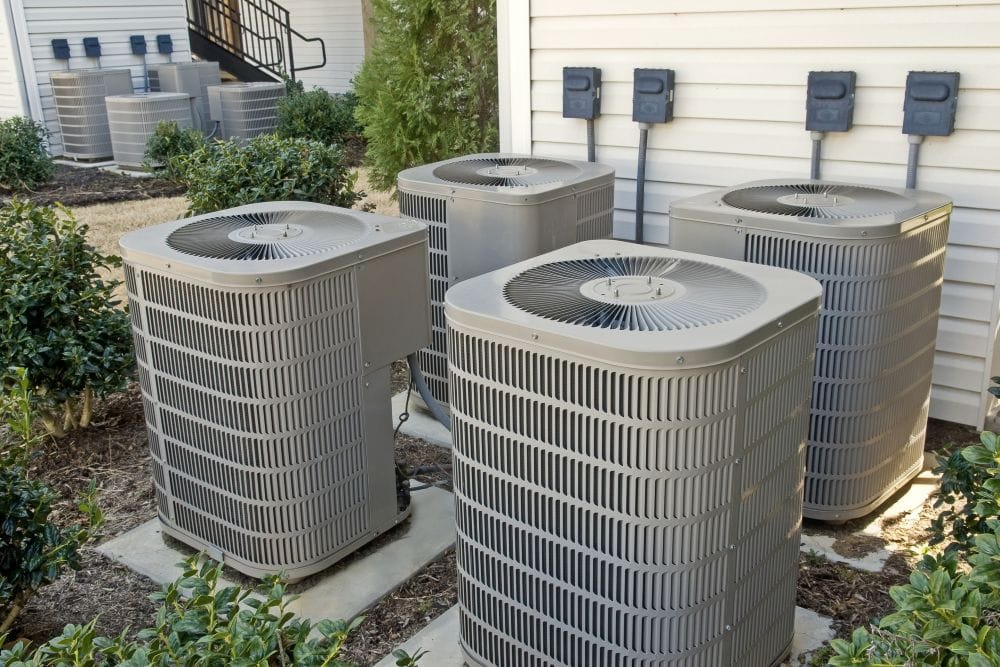
When an unprecedented summer heatwave blankets the foothills, residential cooling systems are pushed to their absolute mechanical limits. Most homeowners naturally ignore their ventilation and air conditioning networks until they detect a strange metallic rattling noise or suddenly feel warm humid air blowing from their hallway vents. By the time these obvious symptoms manifest during a major heat event, you are already firmly positioned in emergency territory. The foundational key to maintaining a perfectly comfortable indoor climate is understanding precisely how these complex thermal machines operate under severe environmental strain. Modern cooling units are highly advanced interconnected systems that require incredibly precise refrigerant levels, unhindered airflow dynamics, and properly calibrated smart thermostats to function efficiently. When the outside ambient temperature spikes dangerously high, the internal compressor works double time to extract latent heat from your living spaces and forcefully release it outdoors. If the exterior condenser coils are caked in pollen or the internal intake air filters are severely clogged with dust, the entire system is forced to work twice as hard. This extreme overexertion inevitably leads to dangerous overheating, tripped electrical breakers, and ultimately catastrophic component failure.
Preventative maintenance serves as the ultimate line of defense against unexpected and uncomfortable summer failures. Many property owners operate under the dangerous assumption that if the unit simply turns on and makes noise, everything inside the metal cabinet is perfectly fine. However, mechanical degradation almost always happens completely silently behind the scenes. Vital electrical connections vibrate loose over time, start and run capacitors slowly lose their internal ability to hold a sufficient electrical charge, and heavy blower motors accumulate thick layers of debris that throw them entirely off balance. A comprehensive operational inspection executed by reliable Diamond Springs AC repair experts involves meticulously checking the precise amperage draw on the main compressor, calculating the exact temperature drop across the indoor evaporator coil, and ensuring the primary condensate drain line is completely clear of hazardous algae and blockages. These exacting technical standards ensure that when the regional power grid is highly stressed, your home system is not pulling unnecessary electricity and risking a dangerous electrical short circuit. Understanding these diagnostic baselines empowers homeowners to ask the exact right questions when technicians finally arrive.
Recognizing the very early warning signs of system stress can easily mean the difference between a simple affordable capacitor replacement and a devastating total compressor burnout. You must monitor your system actively and diligently when the regional weather gets extreme. Watch out carefully for these crucial operational indicators that your cooling unit is crying out for professional diagnostic help:
Weak diminished airflow or strange uneven temperature distribution across the various different rooms in your house.
Unusual alarming sounds including loud metallic grinding, high pitched squealing, or heavy banging noises coming directly from the exterior condenser unit.
Frequent rapid cycling patterns where the entire system turns on and off constantly without ever actually reaching the desired thermostat set temperature.
Unexplained massive spikes in your monthly utility bill that absolutely do not match your standard anticipated seasonal energy increases.
Visible ice formation accumulating heavily on the indoor evaporator coils or the outdoor copper refrigerant lines indicating a severe internal airflow restriction or a dangerous chemical leak.
If you happen to experience any of these alarming issues during a major local heatwave, implementing strict emergency breakdown protocols is completely essential for your safety and property protection. First and foremost, turn off the system entirely at the main thermostat interface to prevent any further permanent damage to the expensive outdoor compressor. Running a highly compromised mechanical unit will only quickly turn a minor affordable repair into a complete system replacement scenario. Next, immediately close your window blinds and thick curtains to completely block out direct radiant sunlight and keep exterior doors securely sealed to trap whatever cool conditioned air remains inside the structure. Finally, contact dedicated emergency heating and air Diamond Springs professionals for priority rapid dispatch. Highly experienced technicians logically prioritize their service calls based strictly on situational severity, especially for households with vulnerable populations like the elderly or young infants. Providing clear accurate details about your specific system behavior helps dispatchers prepare the exact right diagnostic testing tools and necessary replacement parts before the service truck even arrives at your property.
Diamond Springs Climate Challenges and Strategic Grid Stress Management
Living in the beautiful community of Diamond Springs offers wonderful historic charm and breathtaking scenic foothill vistas, but our highly unique local geography brings some very specific climate control challenges. As we successfully navigate the intense recurring heatwaves of 2026, the local utility infrastructure often faces absolutely incredible pressure. Our vibrant community features a highly diverse structural mix of classic older historic homes situated near the main downtown corridor and expansive sprawling new property builds located out toward the Pleasant Valley borders. Older historic foothill architecture frequently lacks modern rigid insulation standards and often features highly ventilated crawl spaces or baking hot attics where the primary ductwork lives. This unfortunate combination means that older residential cooling systems must work significantly harder to maintain stable comfortable indoor temperatures. Combine this architectural reality with the natural local topography that traps heavy stagnant heat in certain neighborhood microclimates, and you have created the perfect environmental storm for maximum cooling system stress. Navigating traffic along Highway 49 during peak afternoon hours can also heavily delay service response times, which is exactly why establishing a solid relationship with a reputable local contractor early in the season is so critical for fast reliable emergency dispatch.
Furthermore, proactively managing your personal home energy consumption is absolutely critical during these severe regional heat events. The California Independent System Operator frequently issues urgent statewide Flex Alerts during prolonged periods of extreme 100 degree plus weather. These vital emergency alerts are urgent official calls for all residential consumers to voluntarily conserve electricity to actively prevent dangerous rolling blackouts when the entire power grid is stretched to maximum capacity. Top tier local HVAC service Diamond Springs providers strongly recommend intentionally pre cooling your home during the early morning hours when overall grid demand is exceptionally low and electricity is plentiful. Once the peak afternoon heat hours arrive, strategically bumping your smart thermostat up a few degrees can massively reduce the operational strain on both your personal equipment and the fragile regional power supply. Fully understanding and following these local utility guidelines not only helps magically stabilize the entire community electrical grid but also actively protects your individual compressor unit from the incredibly damaging long term effects of sudden voltage drops and unexpected power surges that are extremely common during severe summer weather events.
What should I do if my system suddenly stops working during a Diamond Springs summer heatwave?
The very first and most important step is to turn the entire system off immediately at the thermostat to actively prevent catastrophic and expensive electrical damage to the outdoor compressor unit. Next, carefully check your main electrical panel for a tripped breaker switch and closely inspect your return air filter to ensure it is not completely blocked by heavy dust or pet dander. If those simple basic checks do not resolve the problem, keep your house windows firmly closed, draw all the interior shades to block out the harsh sun, and immediately contact a trusted local professional for rapid emergency diagnostic dispatch.
How often do I actually need professional maintenance for my residential cooling equipment?
Leading industry experts and major equipment manufacturers universally recommend scheduling a comprehensive professional system tune up at least once every single year, ideally scheduled in the moderate spring season before the intense summer heat officially arrives. Because our specific local foothill environment contains significantly high amounts of blowing dust, seasonal pollen, and loose organic debris, having a certified expert technician thoroughly clean the delicate outdoor coils, verify exact chemical refrigerant levels, and tightly secure all internal electrical connections is absolutely vital for ensuring long term operational efficiency and total reliability.
Why does my air conditioning equipment run constantly but my house never actually cools down?
This frustrating situation usually directly points to a massive loss of operational efficiency or a severe hidden mechanical failure within the network. The absolute most common technical culprits for this issue include a microscopic refrigerant chemical leak, a slowly failing outdoor compressor mechanism, completely frozen indoor evaporator coils, or severely disconnected leaking ductwork hidden up in your sweltering attic space. When your equipment is forced to run continuously without ever reaching the desired set temperature, it dramatically increases your monthly energy bills and heavily risks total catastrophic unit failure, requiring immediate professional diagnostic testing.
Are there any effective ways to reduce my cooling utility costs without sacrificing personal comfort?
Absolutely. Upgrading your home to a modern smart thermostat allows you to perfectly align your daily cooling schedule with your actual family routine and the local utility grid demands. Additionally, taking simple proactive actions like keeping heavy window blinds completely closed during peak afternoon sunlight hours, ensuring all interior ceiling fans are rapidly rotating counterclockwise to create a cooling wind chill effect on your skin, and strictly replacing dirty air filters every single month can vastly improve internal airflow and massively reduce the overall mechanical workload on your primary household cooling equipment.