Post-Summer System Recovery
The Ultimate Diamond Springs Guide to Post Summer System Recovery
As the relentless 2026 summer heat finally breaks across El Dorado County you might hear your air conditioning unit breathing a massive sigh of relief. Living in Diamond Springs means our climate control systems work overtime to battle those intense August heatwaves. Our community relies heavily on robust climate systems to maintain a comfortable safe and healthy indoor environment for our families. But just because the temperatures are cooling down along the Highway 49 corridor does not mean your maintenance responsibilities are over. In fact right now is the most critical time for a comprehensive post summer system recovery check. Your equipment just ran a marathon and before it pivots to keeping you warm during our chilly foothill winters it needs professional attention. Neglecting this crucial transitional period often leads to catastrophic failures when you need your system the most. Whether you are dealing with sluggish airflow or strange noises coming from the compressor expert local intervention is the smartest move you can make for your home comfort. Before we dive into our deep operational diagnostic checklists and breakdown local regulatory standards here is our top vetted professional pick for immediate support.
Understanding Post Summer System Fatigue and Diagnostic Protocols
Running your climate system daily through a brutal El Dorado County summer takes a massive toll on internal mechanical components. Your unit has been battling high ambient temperatures and working tirelessly to maintain a comfortable indoor environment. When the summer sun beats down on the roof day after day the attic space becomes an oven which transfers heat directly into the living space. This relentless thermal load forces the air conditioner to run practically nonstop. This extended workload causes moving parts to experience significant wear and tear which can severely compromise overall operational efficiency. When we talk about post summer recovery we are looking at a holistic evaluation of how well your equipment survived the peak season. Every component from the primary blower motor to the copper refrigerant lines needs a thorough inspection to ensure optimal functionality moving forward into the cooler months.
One of the most vulnerable parts of your entire system is the dual run capacitor. These small cylindrical electrical components store massive amounts of energy to help jump start the compressor and fan motors. During extended heatwaves they endure tremendous thermal and electrical stress. A weakened capacitor forces the compressor to pull excessive electrical current which can rapidly lead to permanent motor damage. Diamond Springs HVAC contractors know that catching a failing capacitor during an autumn inspection can save homeowners from an incredibly expensive compressor replacement later on. It is a simple and quick diagnostic check that pays massive dividends in long term equipment longevity.
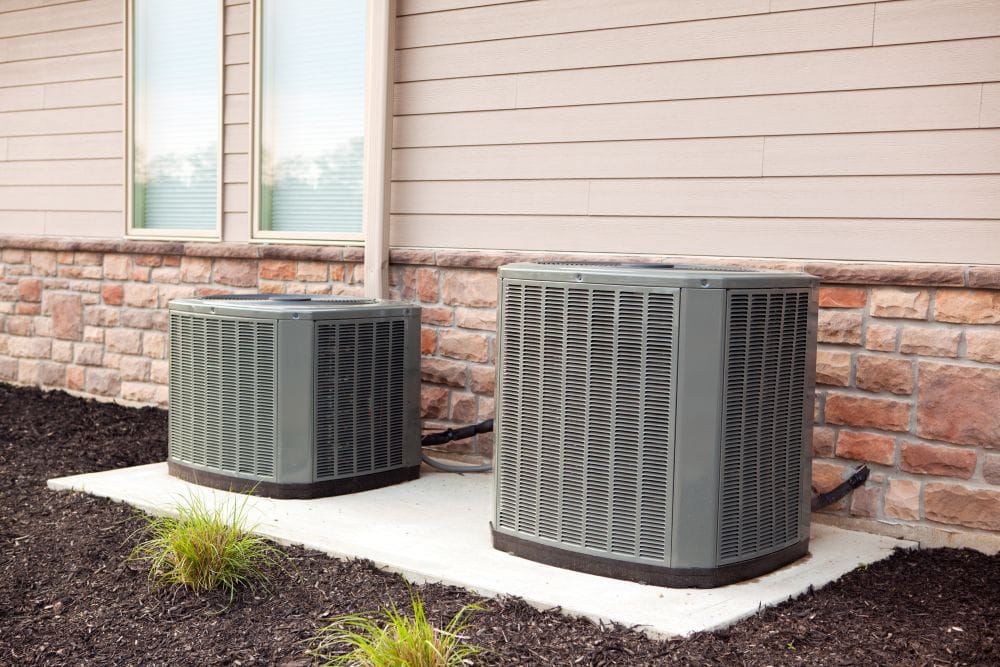
Next on the mandatory inspection list are the outdoor condenser coils and indoor evaporator coils. Throughout the dry dusty summer your outdoor condenser has been pulling in massive amounts of air to dissipate heat from the refrigerant. Along with that outdoor air comes a heavy dose of airborne debris. When dirt and grime blanket the delicate aluminum fins heat transfer becomes severely restricted. This forces the entire system to run longer cycles consuming considerably more energy and driving up your monthly utility bills. Inside the house the evaporator coil handles condensation and can easily become a dark damp breeding ground for biological growth if airflow is restricted by a severely clogged filter.
Professional technicians rely on strict industry guidelines when assessing these vital systemic components. They meticulously cross reference equipment specifications using the Air Conditioning Heating and Refrigeration Institute Certification Portal to ensure every single unit operates perfectly within original manufacturer parameters. When conducting a deep post summer evaluation your local experts will focus heavily on several critical performance indicators:
Measuring exact electrical draws on the compressor and fan motors to detect early signs of mechanical failure.
Evaluating the microfarad readings on all capacitors to ensure they hold the correct electrical charge for motor startups.
Deep cleaning external condenser coils to restore proper heat transfer and improve overall energy efficiency metrics.
Clearing primary and secondary condensate drain lines which often become severely clogged with algae and sludge after heavy summer usage.
Testing high voltage safety switches and contactors for pitting or burning caused by repeated electrical arcing during operation.
Beyond the primary electrical and mechanical components the overall ductwork integrity plays a massive role in ongoing system health. Intense summer heat can easily cause duct seams in hot attics to expand and contract repeatedly leading to tiny but impactful air leaks. When conditioned air escapes into your uninsulated attic space your system must work twice as hard to satisfy the indoor thermostat. A comprehensive recovery inspection involves thoroughly checking these vital air pathways to ensure you are not quite literally blowing your hard earned money through the roof.
Proper refrigerant charge is another major factor that demands immediate attention after a long demanding cooling season. Systems do not consume refrigerant like a car consumes gasoline. If the pressure levels are low it means there is a distinct leak somewhere in the line set or the coil assemblies. Running an air conditioner with a low chemical charge forces the compressor to overheat and can easily cause the indoor coil to freeze into a solid block of ice. By checking the superheat and subcooling measurements technicians can verify that your refrigerant levels perfectly match the operational standards set by the Air Conditioning Heating and Refrigeration Institute Certification Portal. This rigorous level of precision is exactly what separates the absolute best HVAC repair in Diamond Springs from the average service call.
Let us not forget the unsung hero of indoor air quality which is the internal blower wheel assembly. After months of circulating air throughout your entire house the curved blower wheel blades can accumulate a surprisingly thick layer of household dust dead skin cells and pet dander. Even a minor debris buildup on these blades dramatically reduces their ability to move air efficiently across the internal heat exchanger. When a local technician performs a deep post summer clean they meticulously brush and vacuum this entire assembly. This not only restores the sheer volume of air flowing through your supply vents but it also eliminates a major source of mechanical strain on the blower motor itself. When paired directly with a brand new premium air filter this simple cleaning procedure breathes entirely new life into a deeply fatigued system.
Navigating the Unique Climate Challenges of Diamond Springs
Living nestled in the beautiful Sierra Foothills brings exceptional quality of life but it also introduces highly unique challenges for residential climate control systems. Homes situated around Patterson Drive or out toward Pleasant Valley face distinct environmental factors that flatland properties simply do not encounter. The combination of fine red dirt native tree pollen and massive amounts of shedding pine needles creates the absolute perfect storm for suffocating outdoor condenser units. Throughout the summer months these robust units suck in a tremendous volume of organic matter which acts exactly like a thick insulating blanket over the delicate metal fins preventing the crucial release of internal heat.
Furthermore Diamond Springs homeowners are acutely aware of the local utility grid dynamics. As seasonal temperatures fluctuate wildly our regional electrical grid often experiences varying voltage levels and rolling power stressors. This creates additional electrical strain on sensitive electronic control boards and fan motors inside your heating and cooling systems. Routine Diamond Springs AC maintenance specifically tailored to our unique foothill environment acts as an essential buffer against these regional grid fluctuations. By ensuring all electrical connections are incredibly tight and internal components are running efficiently local heating and air experts help protect your expensive equipment from unexpected power surges. Preparing your home for the major transition from the scorching dry heat of August to the crisp damp mornings of November requires a dedicated technician who intimately understands this specific geographic terrain.
How often should I schedule a system inspection in Diamond Springs?
Industry experts universally agree that your climate control system requires thorough professional evaluation exactly twice a year. You should reliably schedule a cooling focused inspection in the spring and a heating focused recovery and preparation inspection in the autumn season. This biannual maintenance cadence ensures your equipment is fully fortified against the heavy demands of both our scorching foothill summers and our freezing winter nights.
What are the clear warning signs that my system needs immediate post summer attention?
Even if your central unit is technically still blowing air through the vents there are several subtle indicators that it suffered major structural fatigue during the peak season. You should immediately contact reliable Diamond Springs HVAC professionals if you notice any of the following troubling symptoms:
Unusually high energy bills that completely fail to align with your standard seasonal usage patterns.
Strange rattling buzzing or aggressive grinding noises coming directly from the outdoor condenser unit.
Uneven room temperatures resulting in highly uncomfortable hot and cold spots throughout your home.
The entire system turning on and off rapidly in a destructive process known as short cycling.
Unusual smells such as burning plastic or strong musty odors emanating from the supply registers.
Why is checking the electrical draw so important after the summer season?
Over time electrical components like the primary blower motor and outdoor compressor begin to physically wear down causing them to pull significantly more electricity to perform the exact same job. Measuring this electrical draw gives technicians a precise clear window into the hidden health of the internal motor windings. If the amp draw is too high it indicates extreme mechanical friction or impending failure allowing you to proactively replace a smaller affordable part before the entire compressor locks up completely.
Can a dirty air filter really cause my entire system to shut down?
Yes it absolutely can and it happens quite frequently. A severely clogged filter acts essentially like a solid wall completely blocking the return air from reaching the internal mechanical components. This severe lack of airflow causes the internal coil to freeze solid during the cooling cycle and causes the heat exchanger to dangerously overheat during the heating cycle. Both of these extreme scenarios will automatically trigger the internal safety limits and force the entire system into a permanent lockout mode to prevent catastrophic fire risks or complete mechanical destruction.